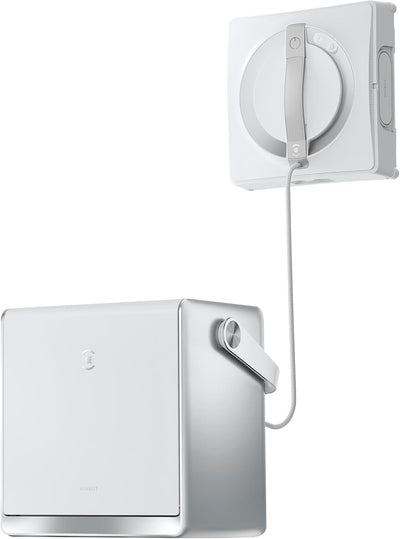
How Robot Window Cleaners Adapt to Different Glass Types

The windows on giant buildings sparkle like jewels, but keeping them that way is a high-tech job. Enter the world of robotic cleaners: small, smart, and incredibly capable. They analyze the glass beneath them and change their methods for a perfect result.
Simply said, investing in the best robot window cleaner means finding one that learns and adjusts.
Knowing the surface:
First, the robot must stick to the window. It uses strong fans or magnets. Plain glass is smooth and easy to hold. But some glass has patterns or texture. The robot senses this. It adjusts its suction power. This keeps it firmly attached, even on bumpy glass.
Dealing with thickness:
Not all glass is the same thickness. Big building windows are often very thick. Home windows are usually thinner. The robot’s sensors check the glass. It learns how deep the pane is. This tells the robot how to move best. It plans a safe cleaning path so it does not bump the frame.
Cleaning without streaks:
People hate streaks on glass. Robots are made to avoid them. They carry their own water or cleaning liquid. For simple glass, a light spray works. For glass with special coatings, the robot might use less liquid. Its cleaning pads wipe in a special pattern. This pattern picks up dirt and stops streaks from forming.
Moving around obstacles:
Windows have frames, bars, or dividers. A smart robot sees these obstacles. Its cameras and sensors act like eyes. When the robot finds a frame, it turns. It cleans right up to the edge, then goes back. It does not get stuck. It knows the difference between a barrier and a dirty spot on the glass.
Handling the sun’s heat:
Some windows get very hot in direct sunlight. Heat can change how the robot sticks. It can also make cleaning liquid dry too fast. The robot monitors the glass temperature. If the surface is hot, the robot might work faster. It might also apply more liquid to stop it from drying before the wipe.
Working on angled glass:
Modern buildings have interesting shapes. Glass can be slanted or even curved. A robot cleaner can handle this. On a slanted window, the robot changes its balance. Its motors work harder to climb. It ensures every part of the glass gets a good clean, even on a tricky angle.
These robots are clever tools. They see the glass and understand it. They change their grip, their speed, and their cleaning style. This smart adaptation lets them keep all our windows shining, from homes to the tallest towers.


More Stories
The Thermal Insulation Benefits Of Modern Hollow Block
Keeping a home cool during the heat of summer can feel like a constant battle with the sun. Traditional building...
What You Should Know About Emergency Home Maintenance Services in Dubai
The lifestyle of Dubai means household emergencies demand swift solutions. A burst pipe on a weekend, a sudden electrical fault...
The Benefits of Ballet for Children in Dubai
Parents in Dubai actively seek activities that support their child's growth. Ballet offers a structured approach that delivers clear advantages...
Demystifying Business Setup In Dubai
Dubai, with its thriving economy and strategic location, has become a magnet for entrepreneurs and businesses seeking to establish their...
Benefits Of Visiting A Medical Typing Center in Dubai
Visiting a medical typing center in Dubai provides individuals with a reliable way to manage official paperwork related to healthcare...
Tips For Maintaining Fiberglass Art Sculptures
Proper care helps keep fiberglass sculptures clean and in good shape. There are various methods that help protecting your art...